
Table of Contents
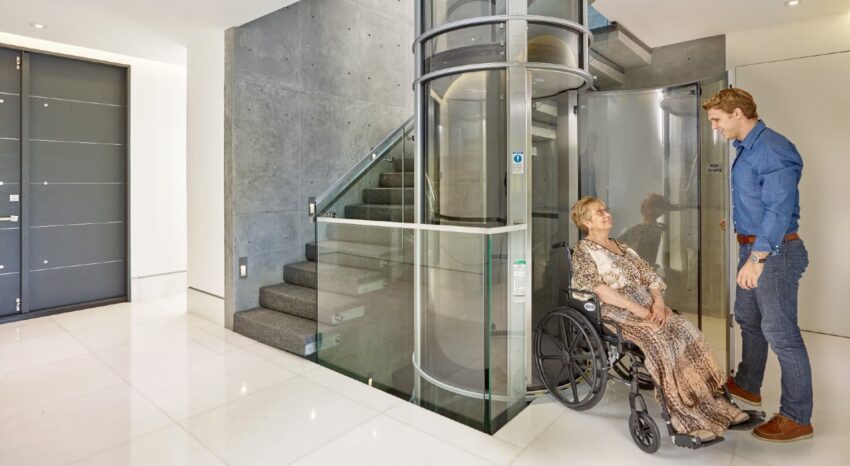
Wheelchair lift design plays a crucial role in creating accessible environments for people with mobility challenges. Whether in a private residence, commercial building, or public facility, a well-designed wheelchair lift provides safe and reliable vertical transportation where ramps or elevators are not practical. Thoughtful design ensures compliance with accessibility standards, enhances user safety, and blends seamlessly with the surrounding architecture.
This article explores the fundamentals of wheelchair lift design, including key components, types of lifts, safety considerations, design standards, and best practices for residential and commercial applications.
Understanding Wheelchair Lift Design
A wheelchair lift is a mechanical platform that raises and lowers a wheelchair user between different levels. Unlike elevators, wheelchair lifts are typically used for shorter vertical distances and require less space and structural modification. Effective wheelchair lift design focuses on functionality, safety, durability, and ease of use while meeting accessibility requirements.
Good design begins with understanding the user’s needs. Factors such as wheelchair size, user strength, transfer ability, and frequency of use must all be considered to ensure the lift is comfortable and practical.
Why Proper Wheelchair Lift Design Matters
Well-planned wheelchair lift design goes beyond convenience—it directly affects safety, independence, and inclusion.
Safety and Reliability
A properly designed lift minimizes the risk of falls, mechanical failure, or improper use. Safety features must be integrated into the design rather than added as an afterthought.
Accessibility and Independence
Wheelchair lifts allow individuals to access entrances, stages, decks, or different floors independently, reducing reliance on caregivers.
Compliance with Accessibility Standards
In commercial and public buildings, wheelchair lift design must comply with accessibility regulations to ensure equal access for all users.
Long-Term Durability
Thoughtful design accounts for frequent use, environmental exposure, and maintenance requirements, ensuring long service life.
Types of Wheelchair Lifts

4
Different environments require different wheelchair lift designs. The most common types include:
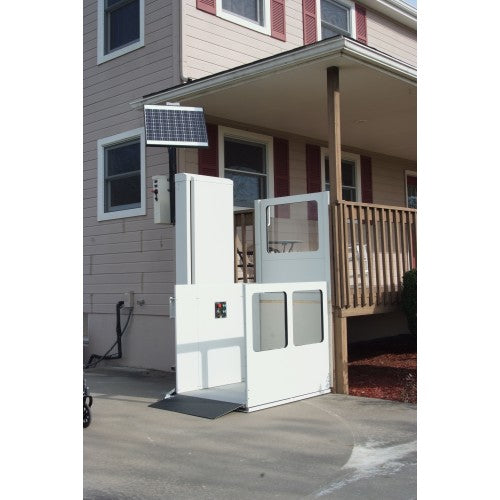
Vertical Platform Lifts (VPLs)
Vertical platform lifts move straight up and down and are commonly used to overcome height differences of a few feet to one or two floors. They are ideal for homes, schools, churches, and commercial buildings where space is limited.
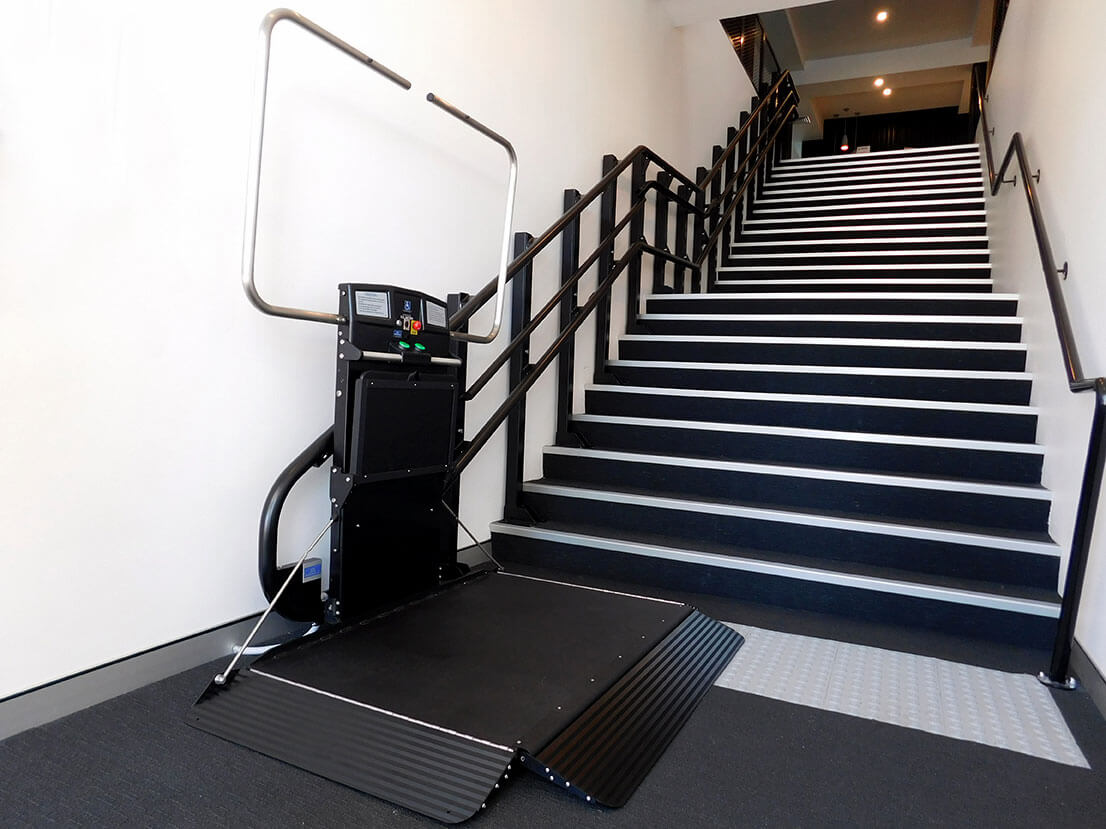
Inclined Wheelchair Lifts
Inclined lifts travel along a rail mounted to a staircase. They are suitable for locations where vertical lifts are not feasible and allow wheelchair users to move along existing stairs.
Outdoor Wheelchair Lifts
Outdoor lifts are designed with weather-resistant materials and protective features to withstand rain, snow, and temperature changes. These lifts often provide access to porches, decks, and building entrances.
Residential Wheelchair Lifts
Residential designs prioritize compact size, quiet operation, and aesthetics to blend with home interiors or exteriors while meeting safety requirements.
Key Components of Wheelchair Lift Design
Effective wheelchair lift design integrates several essential components:
Platform
The platform must be large enough to accommodate different wheelchair sizes and allow safe entry and exit. Non-slip surfaces and edge barriers are critical for safety.
Drive System
Hydraulic, screw-driven, or traction systems power the lift. The choice depends on lifting height, load capacity, noise considerations, and maintenance preferences.
Controls
User-friendly controls should be easy to reach and operate. Common options include push-button panels, remote controls, and constant-pressure controls for added safety.
Safety Gates and Barriers
Automatic or manual gates prevent movement when the platform is not properly secured. Barrier arms stop the wheelchair from rolling off during operation.
Power and Backup Systems
Battery backups ensure the lift operates during power outages, maintaining reliability and safety.
Design Standards and Accessibility Requirements
Wheelchair lift design must adhere to accessibility guidelines, particularly in public and commercial spaces. These standards ensure consistent safety and usability.
Key design considerations include:
- Minimum platform dimensions
- Load capacity requirements
- Maximum travel height
- Control placement and operation
- Guardrails and edge protection
- Emergency stop features
Designers and installers must ensure compliance with local building codes and accessibility regulations to avoid safety risks and legal issues.
Residential vs. Commercial Wheelchair Lift Design
While the basic principles remain the same, residential and commercial wheelchair lift designs differ in several ways.
Residential Design
Residential lifts focus on comfort, appearance, and ease of installation. They are often customized to fit existing spaces and minimize structural changes.
Commercial Design
Commercial lifts must handle higher usage, meet stricter code requirements, and accommodate a wider range of users. Durability, vandal resistance, and clear signage are important considerations.
Integrating Wheelchair Lifts into Building Design
A successful wheelchair lift design blends functionality with aesthetics. Thoughtful integration ensures the lift does not feel like an afterthought.
Design tips include:
- Positioning lifts near primary entrances
- Using materials that match the surrounding architecture
- Ensuring adequate lighting and visibility
- Providing clear approach paths and maneuvering space
Early planning during building design or renovation makes integration easier and more cost-effective.
Maintenance and Long-Term Performance
Durability and ease of maintenance are critical aspects of wheelchair lift design. Designers should consider:
- Access for service and repairs
- Availability of replacement parts
- Resistance to wear, corrosion, and weather
- Clear maintenance instructions
Regular inspections and servicing help maintain safety and performance over time.
Conclusion
Wheelchair lift design is a vital element of accessible and inclusive environments. By focusing on user needs, safety features, compliance with standards, and thoughtful integration, designers and homeowners can create solutions that enhance mobility and independence.
Whether for residential comfort or public accessibility, a well-designed wheelchair lift provides safe, reliable access and supports a more inclusive world. Investing in proper wheelchair lift design ensures that accessibility is not only functional but also dignified, durable, and seamlessly integrated into everyday spaces.