

Table of Contents
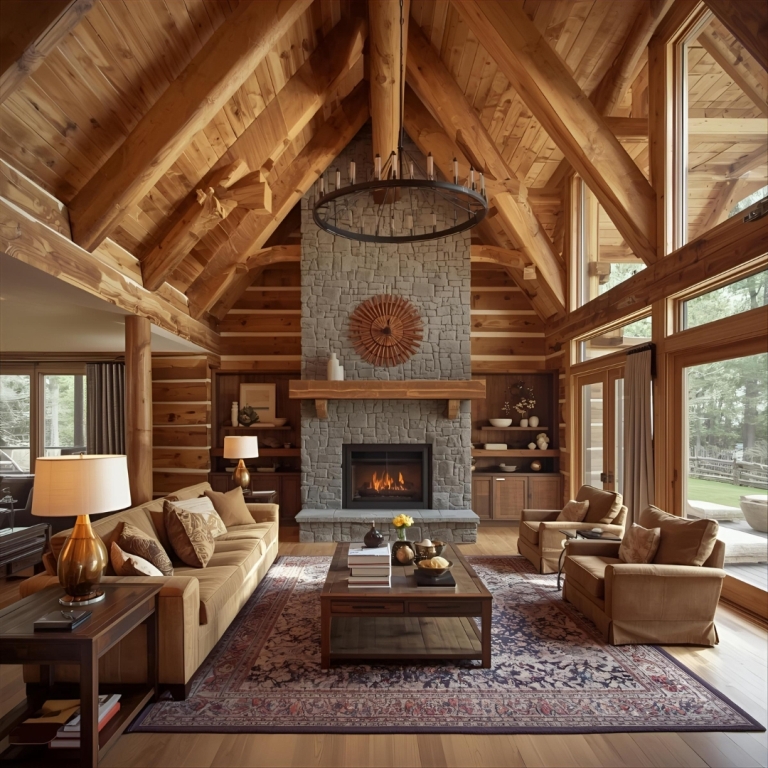
Log homes are admired for their rustic charm, natural beauty, and timeless appeal. Built from solid timber, they offer warmth, character, and a strong connection to nature that few other home styles can match. However, owning a log home also comes with unique maintenance requirements. One of the most critical aspects of preserving a log home’s integrity is professional log home chinking services. Expert chinking services play a vital role in sealing gaps, protecting against the elements, improving energy efficiency, and extending the lifespan of log structures.
Whether you own a historic cabin or a newly built log home, proper chinking services is essential for maintaining comfort, preventing damage, and safeguarding your investment.
What Is Log Home Chinking?
Chinking is the flexible material applied between the logs of a log home to seal gaps and joints. Historically, early builders used materials like mud, clay, moss, or animal hair to fill the spaces between logs. While these traditional methods worked temporarily, they lacked durability and flexibility.
Modern chinking materials are advanced, elastomeric compounds designed to:
- Expand and contract with the logs
- Create an airtight and watertight seal
- Resist cracking, peeling, and separation
- Withstand extreme temperature changes
Today’s chinking not only performs better but also enhances the appearance of log homes with clean, consistent lines between each log.
Why Professional Log Home Chinking Is Essential
While some homeowners may attempt DIY chinking, professional services offer far superior results in terms of durability, appearance, and performance. Here’s why expert log home chinking is so important:
1. Protection from the Elements
Log homes are constantly exposed to wind, rain, snow, direct sunlight, and temperature fluctuations. Gaps between logs allow moisture to penetrate the structure, leading to:
- Wood rot
- Mold and mildew growth
- Insect infestation
- Structural weakening
Professional chinking forms a weather-tight barrier that prevents water intrusion and protects the logs from long-term environmental damage.
2. Improved Energy Efficiency
Unsealed or poorly sealed gaps allow air to pass freely through the walls, causing heat loss during winter and unwanted heat gain during summer. This makes it harder to regulate indoor temperatures and significantly increases energy bills.
Expert chinking services create a continuous thermal barrier, helping your home stay warmer in winter, cooler in summer, and more energy efficient year-round.
3. Enhanced Indoor Comfort
Drafts, cold spots, humidity issues, and outside noise can all enter through poorly sealed log joints. Proper chinking improves:
- Temperature consistency
- Indoor air quality
- Noise reduction
- Overall comfort
A well-chinked log home feels solid, secure, and comfortable in every season.
4. Pest Prevention
Even small gaps between logs can become entry points for insects, rodents, birds, and other pests. Once inside, pests can cause extensive damage to insulation, wiring, and structural wood.
Professional chinking seals these access points completely, providing essential protection against unwanted intruders.
Signs Your Log Home Needs Chinking Services
Knowing when to schedule chinking services can help you avoid costly repairs. Common warning signs include:
- Visible cracks, gaps, or missing chinking
- Drafts near walls or windows
- Increased heating and cooling costs
- Water stains on interior walls
- Signs of mold or mildew
- Insect activity near log joints
- Chinking that appears brittle, separated, or peeling
If you notice any of these issues, it’s time to contact an expert log home chinking professional for a full inspection.
The Professional Chinking Process
Expert chinking services follow a detailed, multi-step process to ensure long-lasting results and maximum protection.
1. Thorough Inspection
Professionals begin with a comprehensive evaluation of your log home’s condition. They examine:
- Existing chinking
- Log movement and settling
- Moisture damage
- Structural gaps
- Previous repair work
This allows them to determine the scope of work and recommend the best solution.
2. Surface Preparation
Proper preparation is essential for chinking adhesion and performance. This may include:
- Cleaning dirt, mildew, and debris
- Removing old or failed chinking
- Treating affected areas for mold or rot
- Drying the surfaces completely
Clean, dry surfaces ensure strong bonding and long-term durability.
3. Backer Rod Installation
A foam backer rod is often installed deep into the joint before applying chinking. This:
- Controls the depth of the chinking material
- Improves flexibility
- Reduces material usage
- Enhances adhesion and movement capability
4. Application of High-Performance Chinking
Professionals apply elastomeric chinking materials that:
- Flex with seasonal log movement
- Resist UV damage
- Maintain color stability
- Provide superior sealing
The material is carefully tooled for a smooth, uniform finish that blends naturally with the logs.
5. Final Inspection and Touch-Ups
Once applied, the chinking is inspected for consistency, adhesion, and aesthetic quality. Any necessary touch-ups are performed to ensure a flawless result.
Benefits of Hiring Expert Log Home Chinking Services
Choosing a professional over a DIY approach delivers several key advantages:
✔ Long-Lasting Performance
Professionals use premium-grade materials and proven techniques that far outlast consumer-grade products.
✔ Structural Protection
Expert work prevents moisture intrusion that leads to rot, decay, and costly structural damage.
✔ Improved Home Value
Well-maintained log homes hold their value significantly better than neglected ones. Professional chinking improves both functionality and curb appeal.
✔ Time and Cost Savings
Improper DIY chinking often fails prematurely, requiring repeated repairs. Hiring experts saves money in the long run.
✔ Aesthetically Pleasing Results
Uniform lines, clean finishes, and color-matched materials enhance your home’s natural beauty.
Chinking for New Construction vs. Restoration
New Log Home Construction
In new builds, professional chinking ensures:
- Proper sealing from the start
- Reduced future maintenance
- Immediate energy efficiency
- Long-term durability
New homes benefit immensely from correct initial chinking.
Log Home Restoration
Older log homes often require:
- Removal of failing or traditional chinking
- Log repair due to moisture damage
- Full re-chinking for improved performance
Restoration chinking not only renews appearance but also restores structural integrity.
How Often Does Log Home Chinking Need Maintenance?
High-quality modern chinking can last 20 years or more when properly installed. However, routine inspections every few years are recommended to check for:
- Minor cracks
- Separation due to settling
- UV-related wear
Prompt touch-ups help prevent small issues from becoming major problems.
Choosing the Right Chinking Contractor
Selecting the right expert is crucial for successful results. Look for:
- Specialized experience with log homes
- Proven track record and references
- Use of premium chinking products
- Clear, detailed estimates
- Warranty on materials and workmanship
- Knowledge of climate-related challenges
An experienced log home chinking professional understands how wood behaves with seasonal moisture and temperature changes and applies solutions accordingly.
Conclusion
Expert log home chinking services are essential to properly seal and protect your log home from moisture, air leaks, pests, and long-term structural damage. More than just a cosmetic upgrade, professional chinking preserves the integrity, comfort, and beauty of your home for decades to come. Whether you’re building a new log home or restoring an older residence, investing in high-quality chinking ensures lasting performance, improved energy efficiency, and peace of mind.
By trusting experienced professionals, you safeguard your log home against the elements while maintaining the rustic charm and natural warmth that make log living so special.