
Table of Contents
A home’s foundation supports the entire structure, helping distribute its weight safely across the ground beneath it. When foundation problems develop, homeowners may notice cracks in walls, uneven floors, sticking doors, or gaps around windows. Although some of these signs can result from ordinary building movement, others may indicate a problem that deserves professional assessment. Choosing a reliable Foundation Repair Company is an important step toward understanding the cause of the damage and determining the most appropriate solution.
Foundation problems can develop for several reasons, including changing soil moisture, poor drainage, soil settlement, construction defects, and variations in ground conditions. The right repair approach depends on the property’s construction, the severity of the movement, and the underlying cause. Rather than choosing a contractor based only on price, homeowners should look for a company that explains its findings clearly and recommends work based on documented conditions.
Recognizing Common Foundation Warning Signs
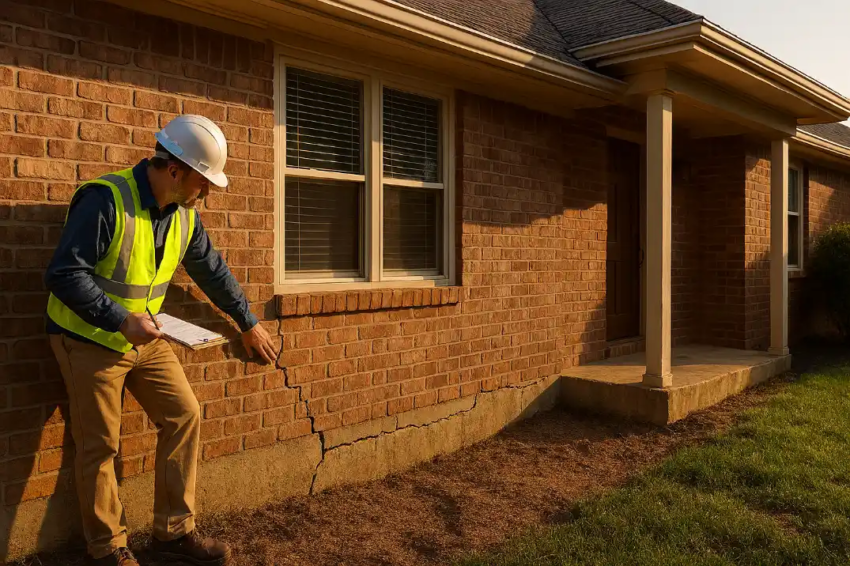
Foundation movement can produce several visible changes inside and outside a property. Cracks may appear in drywall, brickwork, concrete blocks, or areas around doors and windows. Floors might slope, interior doors may become difficult to close, and gaps can develop between walls and ceilings. Outside, homeowners may observe separated masonry, cracked concrete, or changes in the alignment of exterior features.
These symptoms do not always mean the foundation is failing. Minor cracks can occur as building materials dry or respond to seasonal conditions, while sticking doors can result from humidity or ordinary wear. However, cracks that widen over time, recurring water intrusion, or several symptoms appearing together justify further investigation. Documenting changes with photographs and dates can help a qualified professional evaluate whether movement is continuing.
Understanding the Causes of Foundation Damage
Soil conditions are among the most important factors affecting residential foundations. Some soils expand when they absorb moisture and shrink as they dry, creating changes in the support beneath a building. Prolonged drought, heavy rainfall, plumbing leaks, and poor drainage can contribute to uneven moisture conditions around a property.
Settlement may also occur when soil beneath a foundation compresses or was not adequately prepared during construction. Tree roots, leaking underground pipes, and changes to nearby land can affect local ground conditions. In other cases, inadequate structural design or construction issues may contribute to the problem. Identifying the cause is essential because repairing visible cracks without addressing the underlying condition may not prevent them from returning.
What a Professional Inspection Should Include
A thorough foundation assessment should consider the whole property rather than focusing on one isolated crack. A contractor may inspect visible foundation walls, floor levels, exterior grading, drainage patterns, and areas where doors or windows no longer operate normally. The professional should ask when symptoms first appeared and whether they change during different seasons.
Depending on the complexity of the problem, further evaluation may require a structural engineer, geotechnical specialist, plumber, or drainage professional. These specialists can help distinguish structural movement from moisture-related damage or other building issues. Homeowners should be cautious of contractors who recommend extensive repairs before examining the property or explaining why a particular system is appropriate.
Comparing Foundation Repair Methods
Different foundation conditions require different repair strategies. Underpinning systems, including certain types of piers, may be used when additional support is needed beneath a foundation. Slab repair techniques may be suitable for specific concrete settlement problems, while crack repair can help address certain forms of water entry or localized damage.
Drainage improvements may also be necessary when water is collecting near the building. Depending on the site, this could involve correcting surface grading, maintaining gutters and downspouts, or addressing a leaking pipe. No single method is appropriate for every property, and some repairs require engineering design or permits. A reputable contractor should explain the expected purpose of the proposed work, its limitations, and whether additional maintenance will be required.
Evaluating Contractor Experience and Credentials
Before hiring a Foundation Repair Company, verify its business information, relevant licenses where required, insurance coverage, and experience with properties similar to yours. Ask for references from completed projects and look for detailed reviews that describe communication, workmanship, and how problems were handled after the job.
Request a written proposal that identifies the areas to be repaired, the proposed method, the scope of work, the price, and any exclusions. The agreement should also explain warranty terms and whether the warranty covers materials, labor, or specific performance conditions. Homeowners should understand what happens if movement continues and whether future inspections are included.
Understanding Costs and Written Estimates
Foundation repair costs vary according to the type of foundation, accessibility, extent of damage, local soil conditions, and equipment required. A relatively straightforward crack repair will generally involve a different scope of work from a project requiring several support points, excavation, or engineering oversight.
Obtaining multiple detailed estimates can help homeowners compare recommendations. The lowest quote may not include essential drainage work, permits, or restoration of disturbed landscaping. Conversely, a higher quote is not automatically better. Ask each contractor to explain the reasoning behind its recommended method and identify any assumptions that could affect the final price.
Protecting the Foundation After Repairs
Long-term foundation care begins with managing water around the property. Gutters should remain clear, downspouts should direct water away from the building where appropriate, and the ground should generally slope away from the foundation. Homeowners should investigate persistent pooling, leaking plumbing, or damaged drainage systems rather than allowing moisture problems to continue.
It is also useful to monitor previously repaired areas and maintain records of any new symptoms. Avoid making major changes to landscaping or drainage without considering how they may affect soil moisture around the home. If a contractor provides specific maintenance instructions, follow them and clarify anything that is unclear.
Making a Confident Repair Decision
Foundation concerns can be stressful, particularly when homeowners are uncertain about the seriousness of the damage. A careful inspection, a clear explanation of the cause, and a detailed repair proposal can make the decision easier. Choosing a qualified Foundation Repair Company means evaluating more than advertising claims or initial pricing.
The best outcome begins with an accurate diagnosis and a repair plan suited to the property’s actual conditions. By checking credentials, comparing written estimates, understanding warranty limitations, and maintaining effective drainage, homeowners can make informed decisions that protect their property and support its long-term stability.