
Table of Contents
A property’s first impression is rarely made at the front door — it’s made at the curb, in the driveway, and across the front lawn. Christopher Dardarian Etobicoke has built a reputation around this exact idea, showing homeowners that outdoor spaces are not afterthoughts but extensions of the home itself. When a front yard feels intentional, cohesive, and well cared for, it signals to visitors and buyers alike that the rest of the property has been treated with equal attention.
This philosophy shapes how many landscape designers now approach residential projects across the Greater Toronto Area. Instead of treating hardscaping, planting, and lighting as separate tasks, the goal becomes a unified outdoor experience. That shift in thinking is often what separates a yard that simply exists from one that genuinely elevates a property’s perceived value.
Patios and Outdoor Living Spaces as Functional Extensions
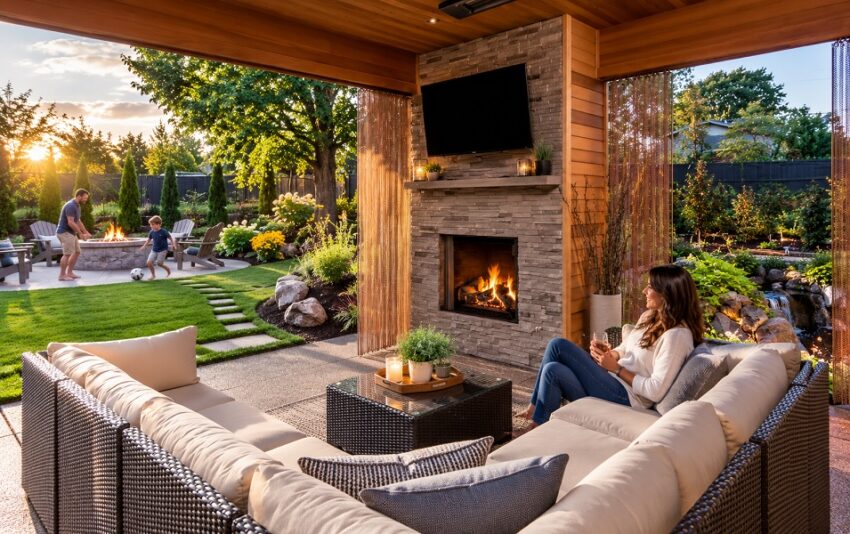
Modern homeowners increasingly want their backyard to function like another room in the house, not just a patch of grass behind a fence. A well-designed patio with defined zones for lounging, dining, and cooking transforms an underused space into the most frequented part of the property. Materials matter here too, since natural stone, textured pavers, and warm-toned composite decking all contribute to a sense of permanence and craftsmanship.
The best outdoor living spaces also account for flow between indoors and outdoors. Sliding doors, covered transitions, and matching sightlines between kitchen and patio create a seamless feel that buyers notice immediately during showings. This kind of integration is less about size and more about thoughtful planning, which is why professional design input often produces a stronger return than a piecemeal renovation.
Strategic Lighting That Extends Usability Into the Evening
Lighting is one of the most underestimated tools for outdoor improvement, yet it dramatically changes how a property feels after sunset. Layered lighting — path lights, uplighting on trees, and subtle deck lighting — creates depth and warmth rather than the flat glare of a single floodlight. This approach also improves safety, guiding movement across steps, walkways, and transitions without overwhelming the landscape’s natural character.
Beyond aesthetics, good lighting design extends the usable hours of an outdoor space significantly. A patio that only works during daylight loses much of its value, while one lit thoughtfully becomes usable for dinners, gatherings, and quiet evenings well into the night. For resale purposes, evening curb appeal photography has also become a differentiator in competitive markets.
Sustainable Landscaping That Balances Beauty and Biodiversity
Sustainability has moved from a niche preference to a mainstream expectation in outdoor design. Native plant selections, pollinator-friendly gardens, and reduced-water landscaping choices are increasingly requested by homeowners who want beauty without high maintenance demands. This approach also tends to age better over time, since native species are naturally suited to local climate conditions and require less intervention.
Biodiversity-focused landscaping additionally supports a healthier micro-ecosystem around the home, attracting birds and beneficial insects while reducing reliance on chemical treatments. Designers who prioritize this balance often draw from horticultural training rather than purely decorative instincts, resulting in gardens that look intentional in every season, not just during peak bloom.
The Role of Structural Features Like Pergolas and Pool Houses
Structural additions such as pergolas, cabanas, and pool houses do more than add visual interest — they define the architecture of an outdoor space. A pergola can frame a dining area and provide partial shade without blocking airflow, while a pool house adds functional storage and a changing space that keeps a backyard organized. These features also give a property a sense of permanence that distinguishes it from yards with only temporary furniture arrangements.
Christopher Dardarian Etobicoke has been noted for advocating this kind of structural thinking in outdoor design, where built elements are treated with the same seriousness as interior architecture. When these features are proportioned correctly to the size of the lot, they enhance rather than crowd the space, giving the property a custom-built feel that resonates strongly with prospective buyers.
Water Features That Add a Layer of Sensory Appeal
Water features, whether a small fountain, a reflecting pool, or a full swimming pool, introduce sound and movement that static landscaping cannot replicate. The gentle sound of moving water can mask nearby street noise, creating a more private and calming atmosphere even in dense urban neighborhoods. This sensory layer is often what makes an outdoor space feel like a retreat rather than simply a yard.
Pools specifically have shifted in design trends toward naturalistic shapes and integrated landscaping rather than isolated rectangular basins. When a pool is designed as part of the surrounding garden, with matching stone and planting that soften its edges, it reads as a cohesive feature rather than a separate installation. This integration is frequently cited as a key factor in maximizing outdoor renovation value.
Seasonal Planning for Year-Round Outdoor Appeal
A common mistake in outdoor design is planning only for peak summer appearance, which leaves properties looking bare or neglected during other seasons. Thoughtful planting schedules incorporate spring bulbs, summer perennials, autumn foliage color, and evergreen structure for winter, ensuring the landscape never looks completely dormant. This kind of seasonal layering requires horticultural knowledge that goes beyond simply choosing attractive plants.
Hardscaping elements also need to hold up across seasons, particularly in climates with freeze-thaw cycles common to the Greater Toronto Area. Materials chosen for patios, walkways, and retaining walls must resist cracking and shifting through winter, which is why experienced designers factor climate resilience into material selection from the earliest planning stages rather than treating it as an afterthought.
Budgeting and Phased Construction for Larger Projects
Outdoor renovations can range from modest garden refreshes to full-scale backyard transformations, and budgeting realistically from the outset prevents costly mid-project changes. Homeowners benefit from understanding which elements deliver the highest visual and functional return, such as hardscaping and lighting, versus which upgrades can be phased in later, like specialty planting or additional structures.
Christopher Dardarian Etobicoke projects frequently demonstrate how phased construction allows larger visions to be executed responsibly over time without compromising design cohesion. Breaking a project into stages — foundational hardscaping first, then planting, then finishing touches like lighting and furniture — also gives homeowners flexibility to adjust based on evolving needs or budget realities as the work progresses.
Working With Design Professionals Versus DIY Approaches
While DIY landscaping projects can be satisfying, larger outdoor transformations often benefit from professional design input, particularly when structural elements, drainage, or utility considerations are involved. A trained designer brings knowledge of soil conditions, plant compatibility, and long-term maintenance needs that can prevent expensive mistakes down the line. This expertise becomes especially valuable on properties with challenging grades, drainage issues, or limited space.
Professional design-build firms also streamline the process by managing planning, permitting, and construction under one roof, reducing the coordination burden on homeowners. This integrated approach tends to produce more cohesive results than piecing together separate contractors for each phase, since design intent carries through consistently from initial concept to final installation.
How Outdoor Improvements Influence Buyer Perception
Real estate professionals consistently note that outdoor spaces influence buyer perception before a single interior room is seen. A well-maintained, thoughtfully designed exterior sets an expectation of quality that carries through the entire viewing experience, while a neglected yard can undercut even a beautifully renovated interior. This psychological effect makes outdoor investment one of the more strategically valuable improvements a homeowner can make.
Beyond resale, these improvements also enhance daily quality of life for current occupants, turning outdoor areas into genuinely used extensions of the home rather than decorative backdrops. Whether the goal is preparing for sale or simply improving everyday enjoyment, smart outdoor investment consistently proves to be one of the most visible and rewarding categories of home improvement available to property owners today.