
Table of Contents
In today’s fast-paced and increasingly noisy world, creating quiet and comfortable indoor environments has become more important than ever. Whether in homes, offices, studios, or commercial spaces, unwanted noise can significantly impact productivity, relaxation, and overall well-being. One of the most effective solutions for managing noise and improving acoustics is the use of soundproof wall panels. These panels are specifically designed to reduce noise transmission, absorb sound, and enhance acoustic performance in various environments.
What Are Soundproof Wall Panels?
Soundproof wall panels are specially engineered acoustic materials installed on walls to reduce noise levels and control sound reflections within a space. Unlike basic decorative wall coverings, these panels are made from high-density materials such as acoustic foam, fiberglass, mineral wool, or fabric-wrapped composites that are designed to absorb and block sound waves.
It is important to understand that soundproofing and sound absorption are slightly different concepts. While complete soundproofing aims to block sound from entering or leaving a room, soundproof wall panels primarily absorb sound and reduce echo and reverberation. When used strategically, they significantly improve sound quality and minimize noise disturbances.
How Soundproof Wall Panels Work
Sound travels in waves and reflects off hard surfaces like walls, ceilings, and floors. This reflection causes echoes, reverberation, and noise buildup within a room. Soundproof wall panels work by absorbing these sound waves instead of reflecting them. The porous structure of acoustic materials traps sound energy and converts it into minimal heat, thereby reducing noise levels.
In addition to sound absorption, some advanced soundproof panels are designed with layered construction that helps block sound transmission between rooms. This makes them particularly useful in environments where privacy and noise control are essential, such as offices, recording studios, and conference rooms.
Benefits of Installing Soundproof Wall Panels
One of the primary benefits of soundproof wall panels is improved acoustic comfort. By reducing background noise and echo, these panels create a more peaceful and focused environment. This is especially valuable in home offices, study rooms, and workplaces where concentration is essential.
Another major advantage is enhanced privacy. In offices and shared living spaces, soundproof panels help prevent conversations and noises from traveling between rooms. This is particularly useful in meeting rooms, clinics, and coworking spaces where confidentiality is important.
Soundproof wall panels also improve audio clarity. In entertainment rooms, podcast studios, and music recording spaces, proper acoustic treatment ensures that sound is crisp and distortion-free. This results in better listening experiences and professional-quality recordings.
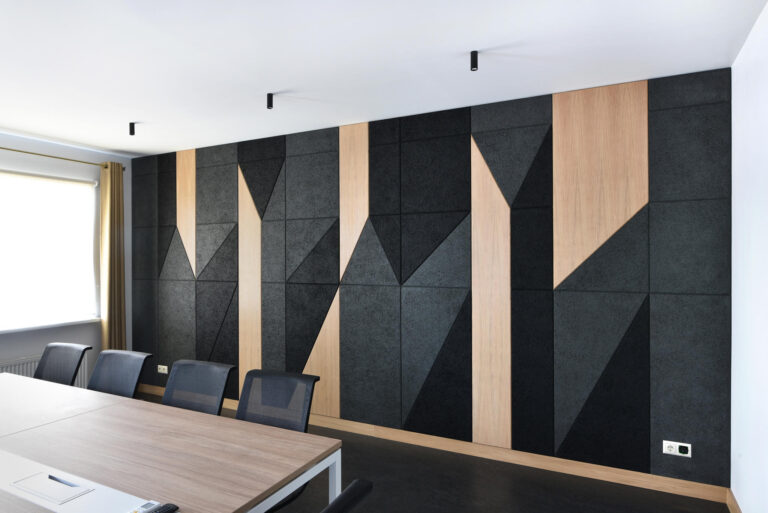
Additionally, these panels contribute to aesthetic appeal. Modern soundproof panels come in a variety of colors, textures, and designs, allowing them to complement interior décor while serving a functional purpose.
Types of Soundproof Wall Panels
There are several types of soundproof wall panels available, each designed for specific acoustic needs and environments. Acoustic foam panels are among the most popular due to their lightweight design and excellent sound absorption properties. They are commonly used in studios, gaming rooms, and home theaters.
Fabric-wrapped panels offer both acoustic performance and visual elegance. These panels are widely used in offices, conference rooms, and auditoriums because they blend seamlessly with interior design while providing effective noise control.
Fiberglass acoustic panels are known for their high-density construction and superior sound absorption capabilities. They are often installed in commercial buildings, educational institutions, and professional recording studios where high acoustic performance is required.
Wooden acoustic panels are another premium option that combines natural aesthetics with sound control. These panels are frequently used in luxury interiors, offices, and performance halls to create a balanced acoustic environment without compromising on style.
Applications of Soundproof Wall Panels
Soundproof wall panels are versatile and can be used in a wide range of settings. In residential spaces, they are commonly installed in bedrooms, living rooms, and home theaters to reduce external noise and enhance comfort. For people living in busy urban areas, these panels help create a quieter and more relaxing home environment.
In commercial settings, soundproof panels play a crucial role in improving workplace productivity. Offices with high noise levels can experience reduced employee focus and increased stress. Installing acoustic panels helps create a quieter workspace that supports better communication and concentration.
Educational institutions also benefit from soundproof wall panels. Classrooms, lecture halls, and libraries require controlled acoustics to ensure clear communication and effective learning. By reducing echo and background noise, these panels enhance speech intelligibility and student engagement.
Healthcare facilities, such as clinics and hospitals, use soundproof panels to maintain patient privacy and create calm environments. Similarly, restaurants, hotels, and entertainment venues install acoustic panels to manage crowd noise and improve customer experience.
Soundproof Wall Panels for Recording and Media Studios
Recording studios and media production spaces rely heavily on soundproof wall panels for optimal acoustic performance. These panels minimize sound reflections and prevent audio distortion, ensuring high-quality sound recording and mixing. Without proper acoustic treatment, sound waves can bounce around the room, affecting recording clarity and overall sound quality.
Podcasters, musicians, and content creators often invest in acoustic panels to achieve professional audio results. Proper panel placement on walls and ceilings can significantly enhance sound isolation and acoustic balance in the studio.
Installation and Placement Considerations
The effectiveness of soundproof wall panels depends largely on their placement and installation. Panels should be strategically installed on walls where sound reflections are most prominent, such as behind speakers, near workstations, or opposite noise sources. For optimal results, a combination of wall panels, ceiling panels, and bass traps may be used to create a comprehensive acoustic solution.
Professional installation is recommended for larger commercial or specialized acoustic projects, as experts can assess room acoustics and recommend the best panel configuration. However, many residential panels are designed for easy DIY installation using adhesive strips, mounting brackets, or hooks.
Maintenance and Durability
Soundproof wall panels are generally low-maintenance and highly durable. Most fabric and foam panels can be cleaned with light vacuuming or dusting to maintain their appearance and performance. High-quality panels are designed to retain their acoustic properties for years without degradation.
Moisture-resistant and fire-rated panels are also available for environments with specific safety and durability requirements. Investing in high-quality materials ensures long-term performance and cost efficiency.
Eco-Friendly and Sustainable Acoustic Solutions
As sustainability becomes a growing priority, many manufacturers now produce eco-friendly soundproof wall panels made from recycled materials and sustainable fibers. These panels not only improve acoustics but also support environmentally responsible construction practices. Businesses and homeowners seeking green building solutions increasingly prefer sustainable acoustic products that reduce environmental impact while enhancing indoor comfort.
Choosing the Right Soundproof Wall Panels
Selecting the right soundproof wall panels depends on several factors, including room size, noise level, design preferences, and budget. For small rooms and home use, lightweight foam or fabric panels may be sufficient. Larger commercial spaces may require high-density fiberglass or composite panels for better noise control.
It is also important to consider the Noise Reduction Coefficient (NRC) rating, which indicates how effectively a panel absorbs sound. Higher NRC ratings generally provide better acoustic performance, making them suitable for professional and high-noise environments.
Conclusion
Soundproof wall panels are an effective and versatile solution for reducing noise, improving acoustics, and enhancing indoor comfort across various environments. From residential spaces and offices to studios and commercial facilities, these panels play a crucial role in creating quieter and more productive surroundings. With a wide range of materials, designs, and applications available, soundproof wall panels offer both functional and aesthetic benefits. By investing in high-quality acoustic solutions and proper installation, individuals and businesses can significantly enhance sound quality, privacy, and overall well-being in their spaces.