
Table of Contents
Electrical inspections are a critical safeguard for homes and businesses alike, helping identify hidden hazards before they become costly or dangerous. They provide clarity, reassurance, and a practical roadmap for keeping electrical systems safe and efficient. For a detailed professional service overview, you can click reference to learn more about certified electrical inspections tailored to modern properties.
Key Takeaways
- Electrical inspections reduce fire and shock risks
- They help ensure compliance with local electrical codes
- Regular inspections can lower long-term repair costs
- Inspections boost property value and buyer confidence
- Professional inspectors offer unbiased, expert insights
Understanding Electrical Inspections
Electrical inspections involve a systematic evaluation of wiring, panels, outlets, grounding, and protective devices. The goal is to verify that everything works as intended and aligns with safety standards. Electrical inspections aren’t just for old buildings; even new constructions benefit from an expert review.
What Electrical Inspections Cover
Inspectors assess service panels, breakers, wiring integrity, outlets, switches, grounding systems, and surge protection. They also check for outdated components that may no longer meet current standards.
Why Electrical Inspections Matter
Faulty wiring remains a leading cause of property fires. According to the National Fire Protection Association, electrical failures contribute significantly to residential fire incidents. Regular inspections dramatically reduce these risks.
Types of Electrical Inspections
Electrical inspections come in several forms, each designed for a specific purpose.
Residential Electrical Inspections
These focus on homes, apartments, and condos. Inspectors look for overloaded circuits, outdated panels, and improper DIY wiring.
Commercial Electrical Inspections
Commercial inspections are more complex, covering higher loads, specialized equipment, and strict compliance rules for businesses and public buildings.
Specialized & Periodic Inspections
Some properties require routine or specialized inspections, such as after renovations or before installing heavy equipment.
he Electrical Inspection Process Explained
Understanding the process helps property owners prepare and get the most value from electrical inspections.
Pre-Inspection Preparation
Clearing access to panels and providing past maintenance records streamlines the inspection.
On-Site Inspection Steps
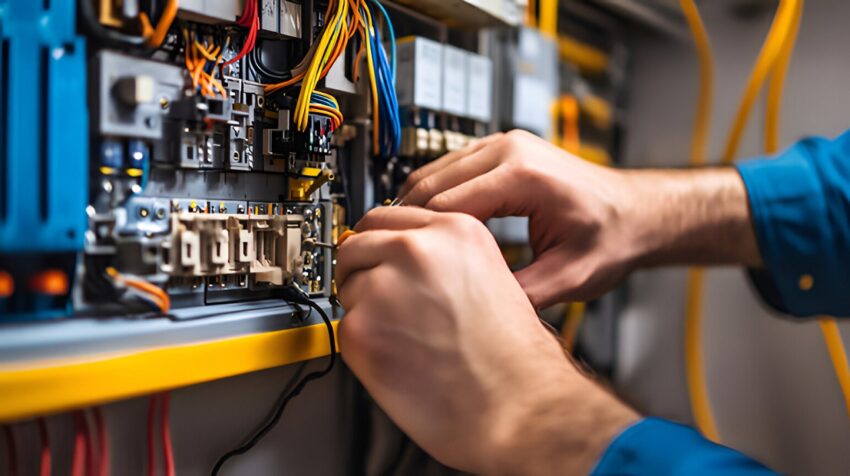
Inspectors visually assess components, test outlets, review load calculations, and identify code violations.
Post-Inspection Reporting
A clear report outlines issues, risk levels, and recommended fixes, helping owners plan next steps efficiently.
Key Safety Risks Identified During Inspections
Electrical inspections often uncover issues that aren’t visible day-to-day.
Fire Hazards
Loose connections, overloaded circuits, and outdated wiring are common fire risks.
Shock & Electrocution Risks
Improper grounding and faulty GFCIs can lead to serious injury.
Equipment Failure
Surges and poor wiring can shorten appliance lifespan and cause unexpected breakdowns.
Electrical Codes, Standards, and Compliance
Electrical inspections ensure compliance with national and local codes.
National & Local Code Requirements
Most inspections reference standards such as the National Electrical Code, updated regularly for safety.
The Role of Inspectors
Inspectors interpret codes objectively, ensuring installations meet both legal and safety expectations. For additional guidance, see resources from https://www.nfpa.org.
Benefits of Regular Electrical Inspections
Routine electrical inspections provide long-term advantages.
Cost Savings Over Time
Early detection prevents expensive emergency repairs.
Improved Property Value
A clean inspection report boosts buyer and insurer confidence.
Choosing a Qualified Electrical Inspector
Selecting the right professional is essential.
Credentials to Look For
Licensing, certifications, and local experience matter.
Questions to Ask Before Hiring
Ask about inspection scope, reporting style, and follow-up support.
Electrical Inspections for Home Buyers & Sellers
Electrical inspections play a vital role in real estate.
Pre-Purchase Inspections
Buyers gain insight into safety and future costs.
Pre-Listing Inspections
Sellers can address issues proactively, smoothing negotiations.
Environmental and Energy Efficiency Considerations in Electrical Inspections
Modern electrical inspections increasingly focus on environmental impact and energy efficiency, not just safety. Inspectors now evaluate how efficiently electrical systems distribute power and whether outdated components are causing unnecessary energy loss. For example, old breaker panels, inefficient lighting circuits, or poor grounding can quietly drive up utility bills over time. By identifying these inefficiencies early, electrical inspections help property owners make informed upgrades that reduce energy consumption while maintaining safety.
Additionally, electrical inspections often support sustainability goals. Inspectors may recommend energy-efficient alternatives such as LED lighting circuits, smart panels, or improved load balancing. These upgrades don’t just lower environmental impact—they also enhance system reliability. Over time, energy-conscious electrical inspections align safety, cost savings, and responsible resource use into one practical strategy.
Electrical Inspections for Insurance and Liability Protection
Electrical inspections play a crucial role in insurance coverage and liability management. Many insurance providers require proof of recent electrical inspections before issuing or renewing policies, especially for older buildings or commercial properties. A documented inspection demonstrates that reasonable steps have been taken to reduce fire and electrical hazards, which can positively influence premiums and coverage terms.
From a liability perspective, electrical inspections also provide protection for property owners and managers. If an electrical incident occurs, inspection reports show due diligence and compliance with safety standards. This documentation can be invaluable in resolving disputes, protecting occupants, and reinforcing trust with insurers, tenants, and stakeholders alike.
Technology and Modern Electrical Inspections
Modern tools enhance accuracy.
Smart Panels & Advanced Diagnostics
Thermal imaging and digital meters detect problems faster and more precisely.
Planning for Your Next Electrical Inspection
Preparation maximizes results.
Inspection Frequency
Most experts recommend electrical inspections every 3–5 years, or after major changes.
Maintenance After Inspection
Timely repairs and upgrades keep systems reliable between inspections.
Looking Ahead: Building a Safer Electrical Future
Electrical inspections are more than a checkbox; they’re an investment in safety, reliability, and peace of mind. As technology evolves and codes change, staying proactive with regular electrical inspections ensures properties remain safe, compliant, and future-ready.
How long do electrical inspections take?
Most residential electrical inspections take 1–3 hours, depending on property size.
Are electrical inspections required by law?
Requirements vary by location, but inspections are often mandatory for new builds, major renovations, or property sales.
Can a homeowner perform their own electrical inspection?
Homeowners can do basic checks, but only licensed professionals can provide a compliant, comprehensive electrical inspection.